Permaculture in practice
Holly Hagg is a small, volunteer-run community farm in Sheffield. It’s a working space – shaped day by day by the people who spend time here, and by the land itself. We use permaculture as a guiding approach. In simple terms, that means paying attention to how everything on the site connects—soil, water, plants, animals and people—and working with those relationships rather than against them. This isn’t something we teach in theory. It shows up in the practical decisions we make every day, and in the way the site continues to evolve over time.
What’s happening on the land
The site has developed gradually, responding to the slope, the weather, the animals, and the capacity of the people working here. What’s in place now is a set of systems that continue to shift and improve:
- building and maintaining soil through composting, mulching and organic matter
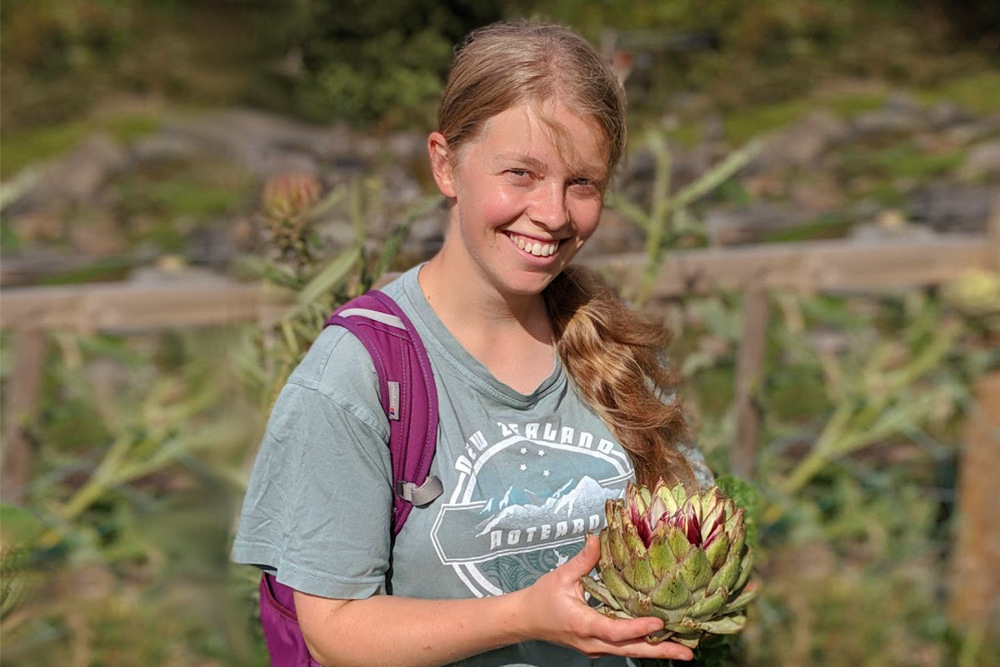
- growing food in mixed beds, with seasonal rotation and companion planting
- managing water across a sloped site, making use of storage and natural flow
- integrating animals as part of the wider system, rather than separate from it
It doesn’t always look neat, and that’s part of the process. The aim isn’t perfection, but resilience and long-term improvement.
What volunteers actually do
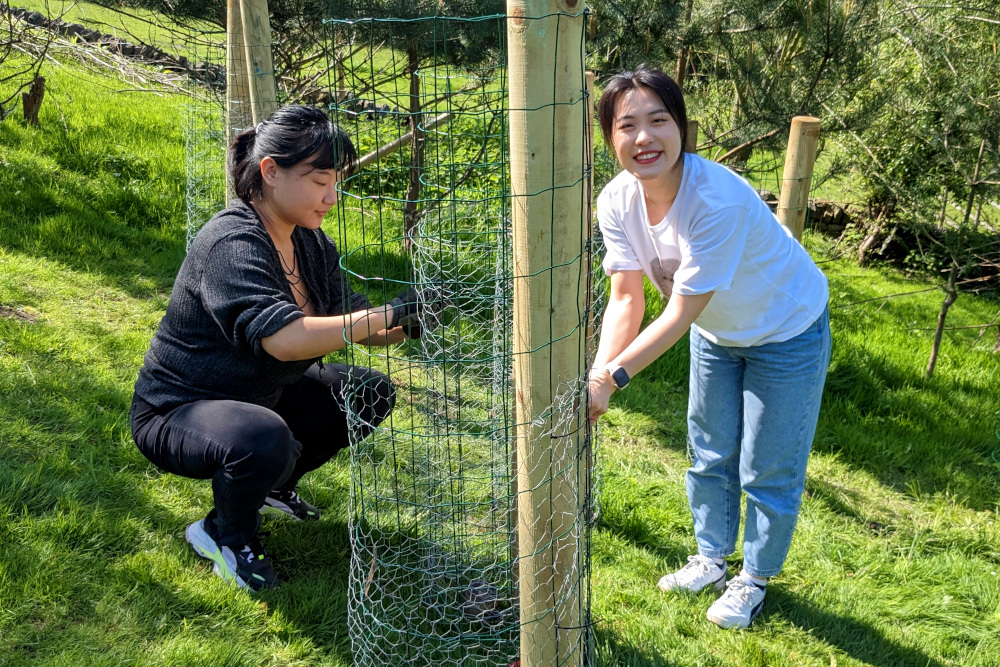
Volunteering sessions are working sessions. The focus is on getting real tasks done while gradually building and maintaining the site. Depending on the time of year, that might include:
- sowing, planting and maintaining beds
- composting and soil-building tasks
- weeding, mulching and general land work
- watering and supporting greenhouse and polytunnel growing
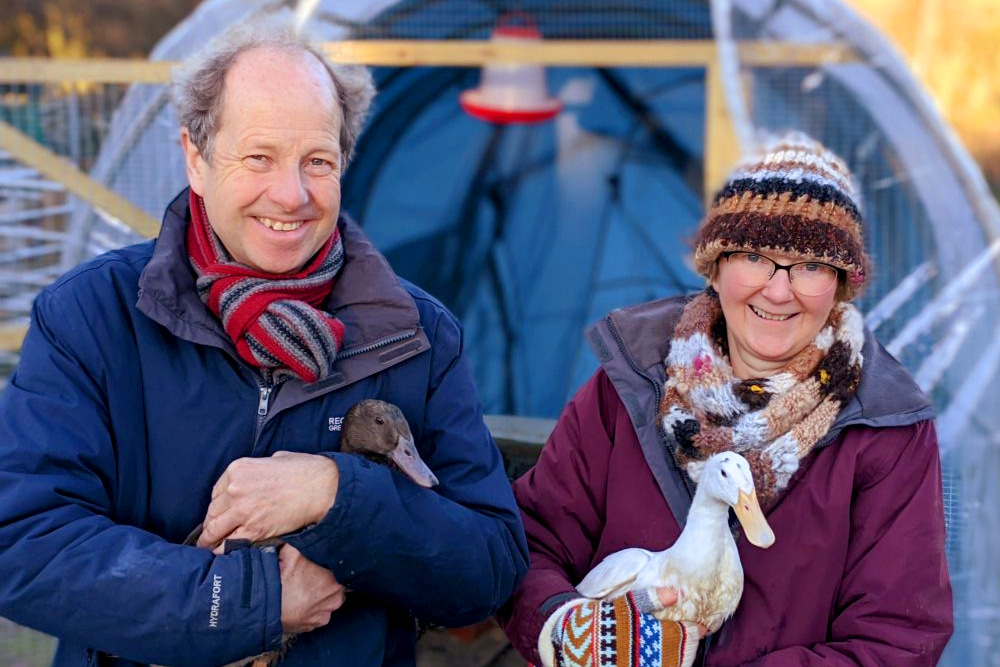
- helping with routine animal care where needed
Tasks are explained at the start, but sessions work best when volunteers are able to continue independently once they’ve been shown what to do.
What people tend to learn
Over time, people start to get a feel for how the site works as a whole.
That might include:
- noticing how soil condition changes and improves
- understanding seasonal timing and why tasks happen when they do
- seeing how different plants interact and support each other
- recognising how water, slope and layout affect the space
- building confidence working outdoors and managing practical tasks
There’s no formal teaching, but there is a steady accumulation of knowledge through doing.
Being part of it
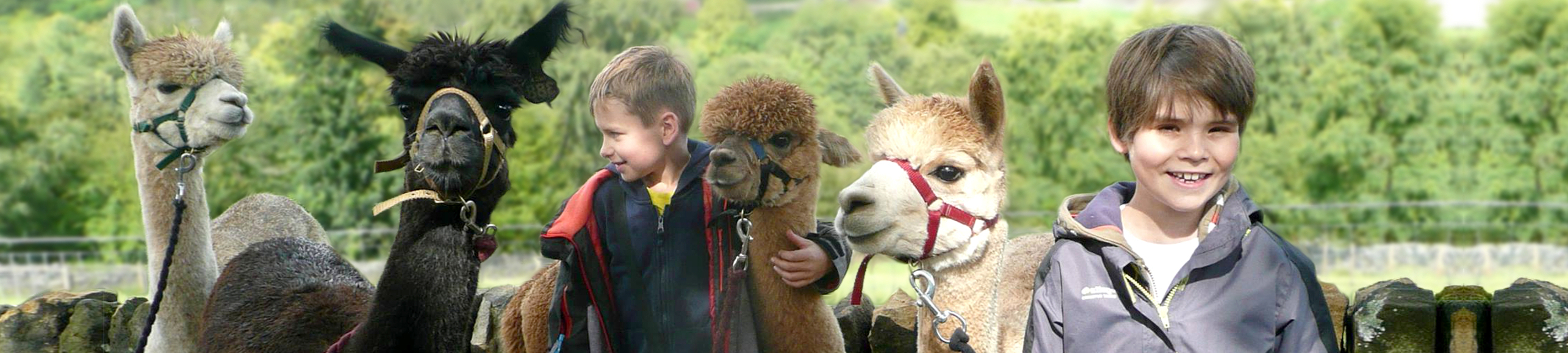
While the farm includes animals, our volunteer sessions are focused on practical land-based work rather than visits or animal attractions.
We’re interested in developing more community-focused activities over time, including therapeutic, educational and alternative provision work. At the moment, those depend on building the right structures and support around the core work of the site. For now, volunteering is the main way to get involved—and to be part of that longer-term development. Holly Hagg runs because of the people who show up and take part. What’s here has been built gradually, and will continue to evolve in the same way. If that kind of work appeals to you, you’re very welcome to get involved.