Alpaca and Llama Walking
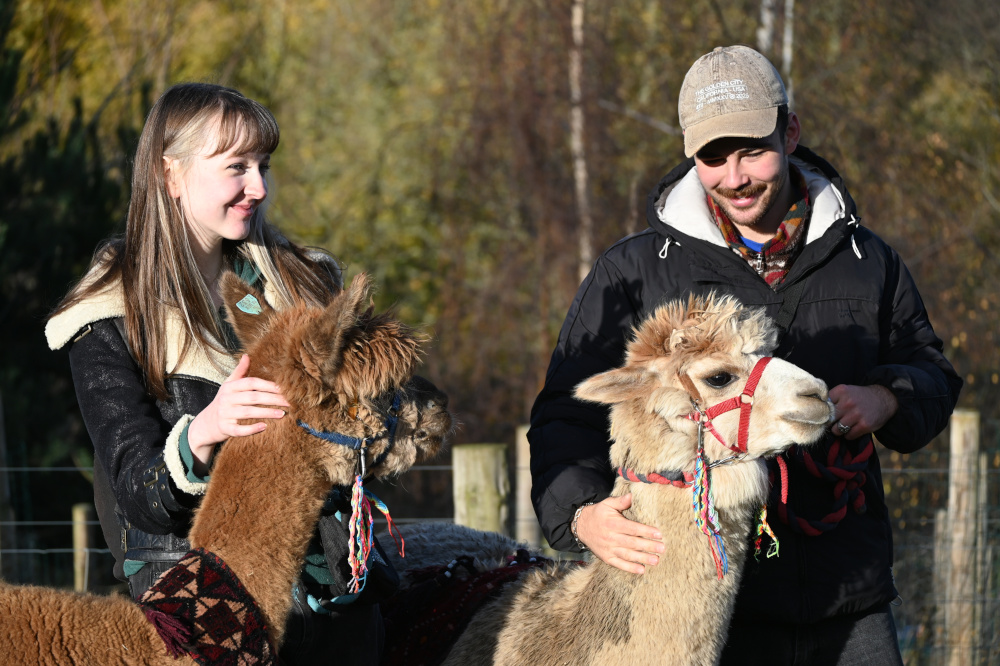
There’s no denying it: alpacas are one of nature’s great successes. With their impossibly long necks, expressive faces and gloriously fluffy fleece, they’re somehow both elegant and completely ridiculous at the same time. They’re naturally curious, surprisingly gentle and endlessly photogenic, but just aloof enough that when one chooses to wander over and investigate you, it feels like you’ve earned its approval. Llamas are cut from slightly different cloth. Taller, bolder and wonderfully self-assured, they have a quiet confidence that makes them seem almost aristocratic, until they do something completely unexpected that reminds you not to take them too seriously.
So perhaps it was inevitable that somebody would eventually wonder what would happen if you put a lead rope on one and went for a walk. The answer, it turns out, is one of the UK’s fastest-growing outdoor experiences.
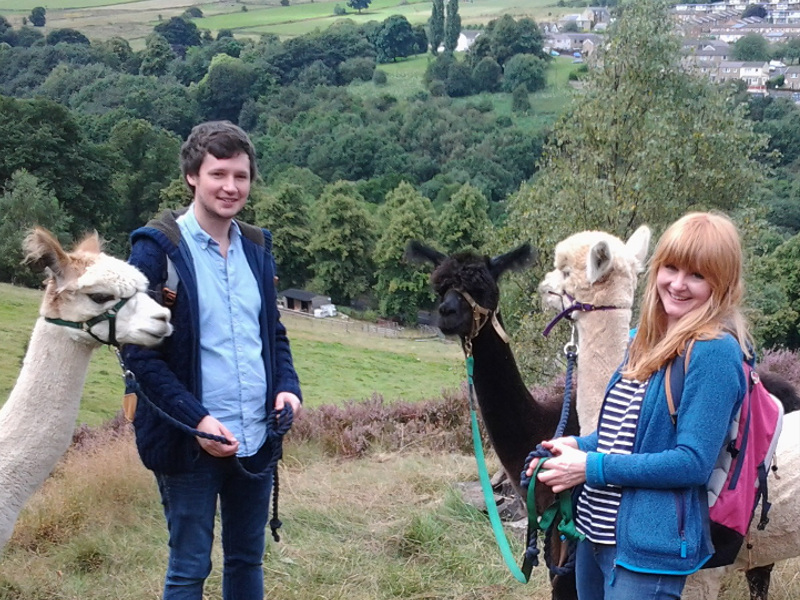
Walking with an alpaca or llama is unlike almost any other animal activity. It combines the simple pleasure of being outdoors with the opportunity to spend time getting to know these intelligent, charismatic animals at their own pace. Whether you’re looking for a unique family day out, a memorable gift, or simply a chance to escape busy modern life for a couple of hours, it’s easy to understand why so many people fall in love with alpaca trekking.
This guide explains everything you need to know about alpaca and llama walking, from what to expect on your first trek to choosing an ethical provider and answering the questions people ask most often before booking.
In this guide
- What is alpaca and llama walking?
- Why has it become so popular?
- What is it like?
- What happens on a typical walk?
- Field walks vs countryside treks
- Choosing a good provider
- Frequently asked questions
Why has alpaca walking become so popular?
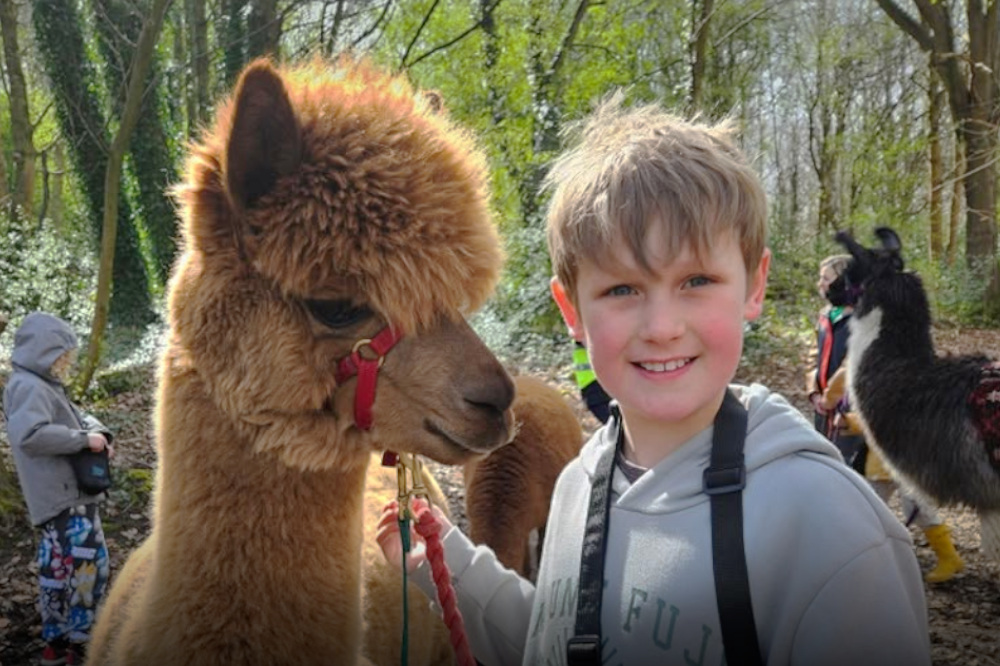
Part of the answer lies in the animals themselves, but part of it lies in how the experience makes people feel. Research has shown that spending time outdoors, walking, and interacting with animals can all support wellbeing and help reduce stress. Alpaca walking brings all three together in a single experience. Walking alongside an alpaca naturally encourages you to slow down, notice your surroundings and enjoy the present moment, all in the company of a naturally charming animal.
Over the years, we’ve noticed something else too. People often arrive talking about work, busy schedules or the travel over. By the end of the walk, conversations have usually shifted to wildlife, holidays, childhood memories, gardens, pets, and plans for future adventures. The alpacas seem to have an uncanny knack for helping people leave everyday worries behind for a couple of hours.
What is it like walking an alpaca or llama?
If you’ve never met an alpaca before, you might imagine the experience feels a bit like walking a dog. In reality, it’s completely different. Alpacas don’t walk because they’ve been trained to march in a straight line. They’re naturally curious creatures. One minute they’ll be striding happily down a woodland track, the next they’ll stop to inspect a particularly interesting bramble, rub against a satisfyingly scratchy tree, or stare in mutual confusion at a sheep.
“Walking with an alpaca feels less like taking an animal for a walk and more like borrowing its outlook on life for an hour or two”
Rather than asking you to keep up, they have a wonderful habit of encouraging you to slow down with them. Before long, you begin to notice things you might otherwise have walked straight past: birds singing overhead, wildflowers beside the path, or simply the quiet rhythm of walking without feeling the need to hurry.
Each alpaca has its own personality. Some are confident and curious, others cheeky and amusing, while some quietly stroll beside you as though they’ve been your walking companion for years. Llamas, meanwhile, tend to carry themselves with the calm confidence of an animal that knows exactly who it is – and just how handsome it looks.
It’s a surprisingly peaceful experience, but never dull. There are plenty of moments that will make you laugh, whether it’s an alpaca twisting itself into an improbable shape to scratch an itch, humming softly to its companions, or suddenly stopping to gaze thoughtfully into the distance, contemplating mysteries known only to alpacas. Walking with an alpaca feels less like taking an animal for a walk and more like borrowing its outlook on life for an hour or two.
What happens on a typical alpaca walk?
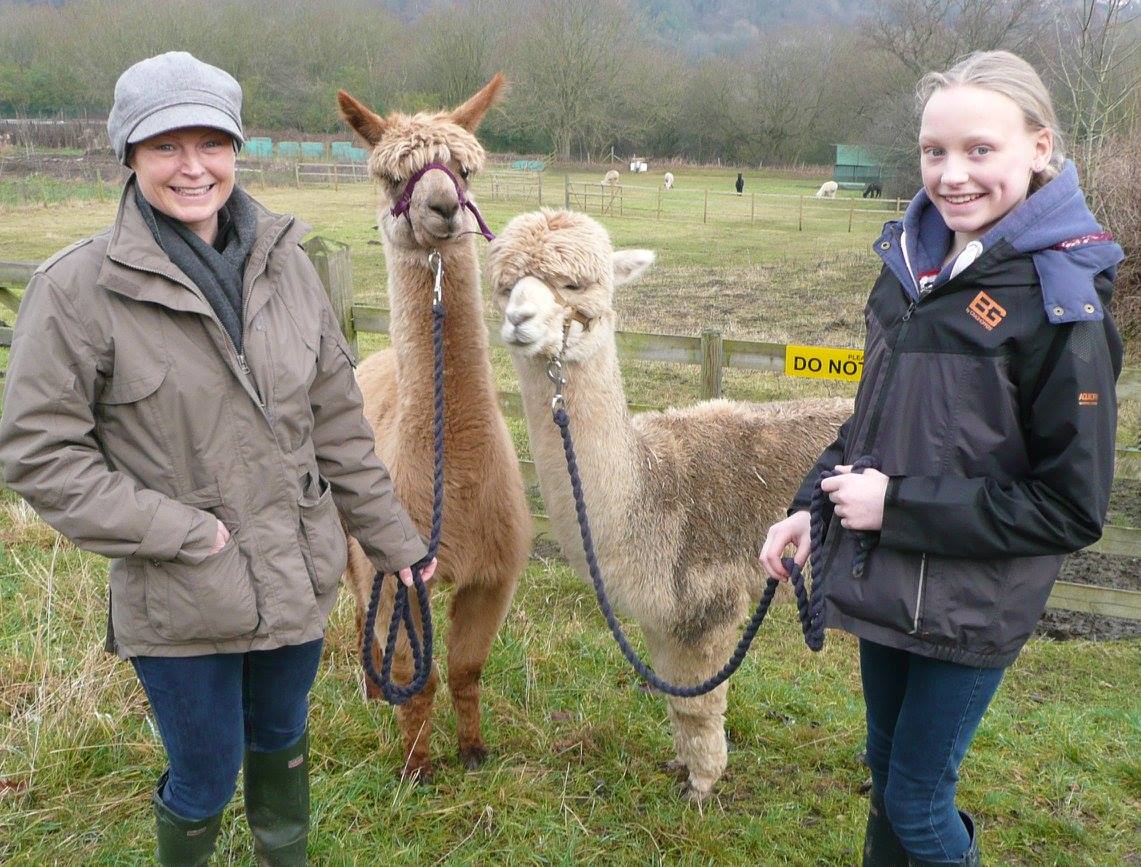
While every provider runs their walks a little differently, most alpaca walking experiences follow a similar format. You’ll usually begin by meeting the alpacas and learning about their personalities, behaviour and how to walk alongside them safely. After the introduction, you’ll be matched with your alpaca or llama, shown how to use the lead rope and given all the guidance you need before setting off.
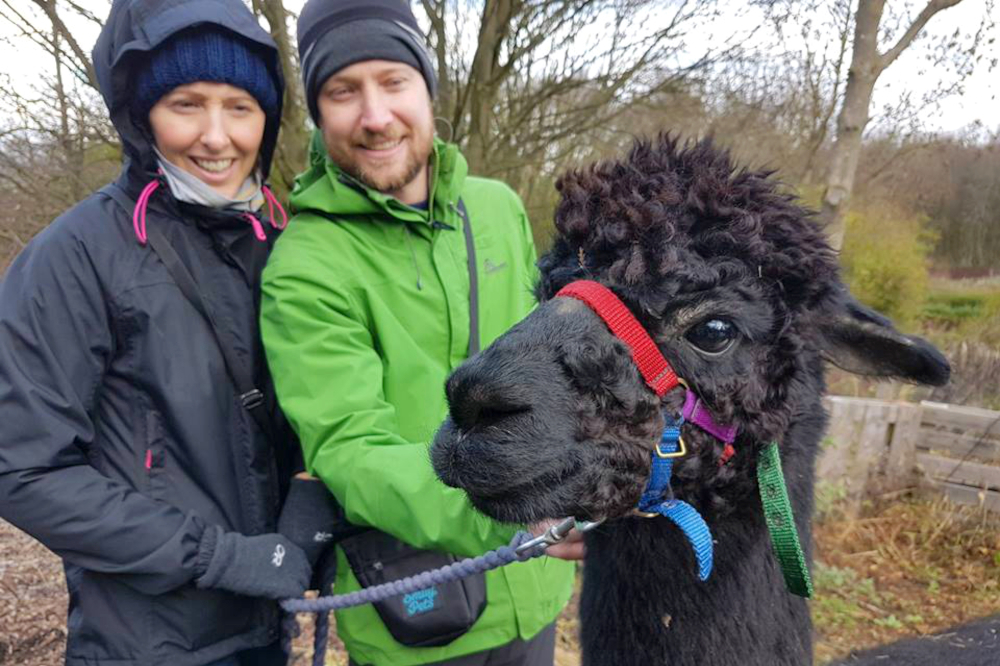
Don’t worry if you’ve never handled an alpaca before. They’re accustomed to walking with people, and your guide should explain everything you need to know. The lead rope isn’t there to drag or steer the animal, but simply to guide it while allowing the alpaca to walk comfortably at its own pace, with plenty of freedom to move its head and explore its surroundings.
Throughout the walk, your guide should be on hand to answer questions, share interesting facts and help you get to know your four-legged companion. There is usually plenty of time for photographs and opportunities to interact with the alpacas before or after the walk. Most alpaca walks last between 60 and 90 minutes, although the overall experience is often closer to two hours once introductions, feeding and photographs are included.
Alpaca walks are generally offered in one of two settings: a field walk that remains on the farm, or a countryside trek along footpaths, woodland trails or bridleways.
Field walks are often easier underfoot, with flatter grassy terrain that’s well suited to younger children, older visitors and anyone who prefers a shorter, more accessible walk. They are commonly offered by larger farms and visitor attractions, which may also have facilities such as cafés, farm shops, toilets and larger car parks, making them a convenient choice for families with young children. The more compact setting can also make the experience feel less daunting for nervous visitors or those meeting alpacas for the first time, while still offering plenty of opportunities to interact with the animals.
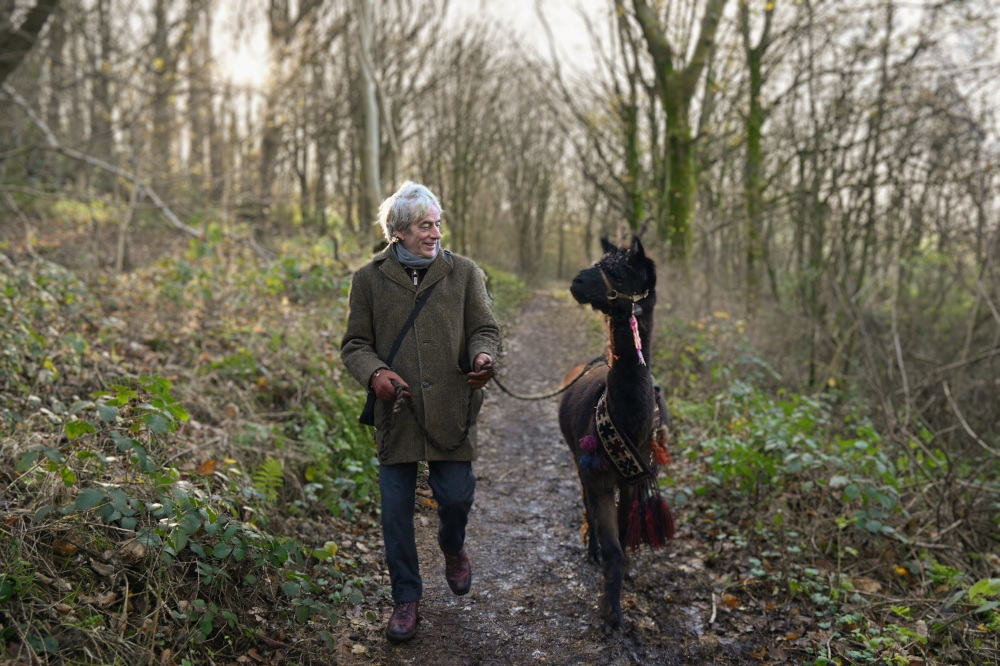
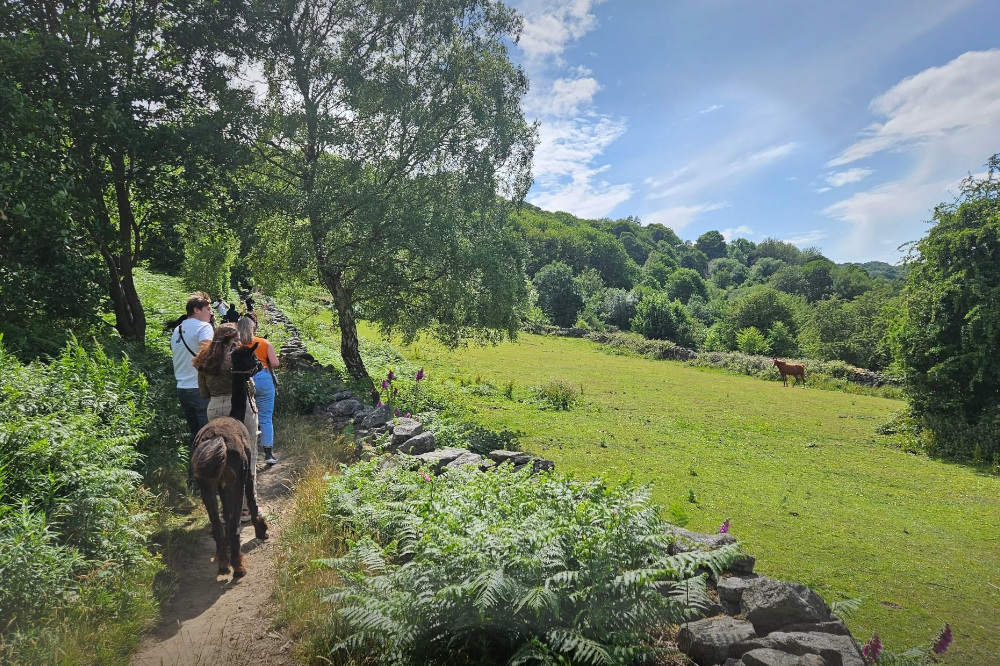
Countryside treks usually cover a little more ground and immerse you in the surrounding landscape, offering an opportunity to explore the local countryside. Woodland paths, quiet country lanes, open views and changing scenery make the walk feel more like a shared adventure with your alpaca. The varied environment also gives the animals plenty to investigate along the way, from trees and hedgerows to livestock and wildlife, meaning no two walks are ever quite the same. Because countryside treks often follow public footpaths and natural terrain, they may include uneven ground, gentle slopes or muddy sections depending on the season. Younger children may need to be able to walk independently for much of the route, and sturdy footwear is usually recommended.
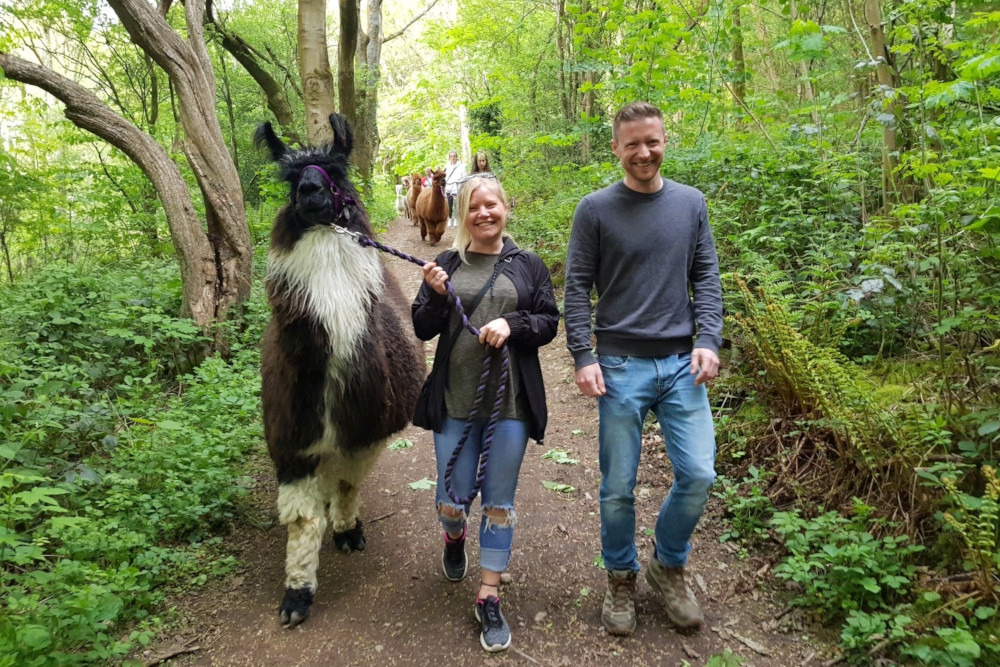
Neither type of walk is inherently better – it simply comes down to what suits your needs best. If accessibility, convenience and on-site facilities are your priorities, a field walk may be the ideal choice. If you’re looking for a more immersive walking experience that explores the surrounding landscape, a countryside trek could be the better fit.
What makes a good alpaca walking experience?
Not all alpaca walking experiences are the same. While the route and scenery are important, the quality of the experience often comes down to much more than the setting. A great alpaca walk should feel enjoyable for both you and the alpacas, leaving everyone relaxed, engaged and happy to have spent time together.
A good experience should feel enjoyable for the alpacas too
Alpacas are intelligent, naturally curious animals, and a good walking experience should allow them to express those behaviours. Look for relaxed animals that seem interested in their surroundings rather than simply following a familiar route.
It’s also worth considering how often treks take place. Providers vary considerably, with some offering occasional walks each week and others running multiple treks every day. While every business manages its animals differently, many people prefer experiences where the emphasis is on quality rather than quantity, creating enjoyable experiences for both visitors and alpacas rather than simply offering as many walks as possible.
Alpacas benefit from variety. Exploring different routes, meeting new people and investigating new sights, smells and views can all be enriching, provided the walks are thoughtfully managed, not overwhelming and don’t become overly repetitive.
What does a relaxed alpaca look like?
A relaxed alpaca is generally calm, curious and interested in what’s happening around it. When content, its tail hangs naturally, its ears are loose and expressive, and its movements are unhurried. Around the farm you’ll often see alpacas lying in their characteristic “cushing” position with their legs tucked underneath them, quietly chewing the cud or stretched out asleep in the sunshine.
While out on a walk, a relaxed alpaca will usually be happy to explore at its own pace, stopping to investigate an interesting bush, stare at a horse or simply watch the world go by. They should appear comfortable around people without seeming overwhelmed or reluctant to take part. It is normal for alpacas to want to stay with their herdmates and may trot a bit to catch up now and then.
Signs an alpaca may be feeling stressed
Because alpacas and llamas are prey animals, they naturally try to hide pain and discomfort, so signs of stress can sometimes be subtle. Behaviours that may suggest an animal is feeling anxious or overwhelmed include high pitched alarm calls, near constant humming, consistently trying to move away from people, hiding behind other alpacas, unusually tense body language, pacing or showing obvious reluctance to continue the walk.
The occasional hesitation, pause to inspect a hedge or moment of stubbornness is perfectly normal, as is suddenly trotting to catch up with their herd if they are getting left behind – alpacas are individuals with minds of their own. What you’re looking for overall is an animal that appears calm, engaged and comfortable in its surroundings.
Choose the experience that’s right for you
The ‘best’ alpaca walk isn’t necessarily the longest, the cheapest or the one with the biggest visitor centre. Think about what matters most to you. Do you want an accessible walk for young children or grandparents? Are you hoping to explore beautiful countryside? Is learning about the animals important to you? Or are you simply looking for a peaceful couple of hours outdoors?
“Ultimately, the best alpaca walks are the ones where both people and alpacas seem equally relaxed and happy to be there.”
Asking these questions will help you choose an experience that’s the right fit for your group. Ultimately, the best alpaca walks are the ones where both people and alpacas seem equally relaxed and happy to be there. When the animals are calm and engaged, the guides are knowledgeable and enthusiastic, and nobody feels rushed, you’re far more likely to come away with happy memories – and probably far more photographs than you expected.
Frequently Asked Questions
Before you book
Is alpaca walking suitable for children?
Yes, but the age of your child may affect which type of experience is best for you.
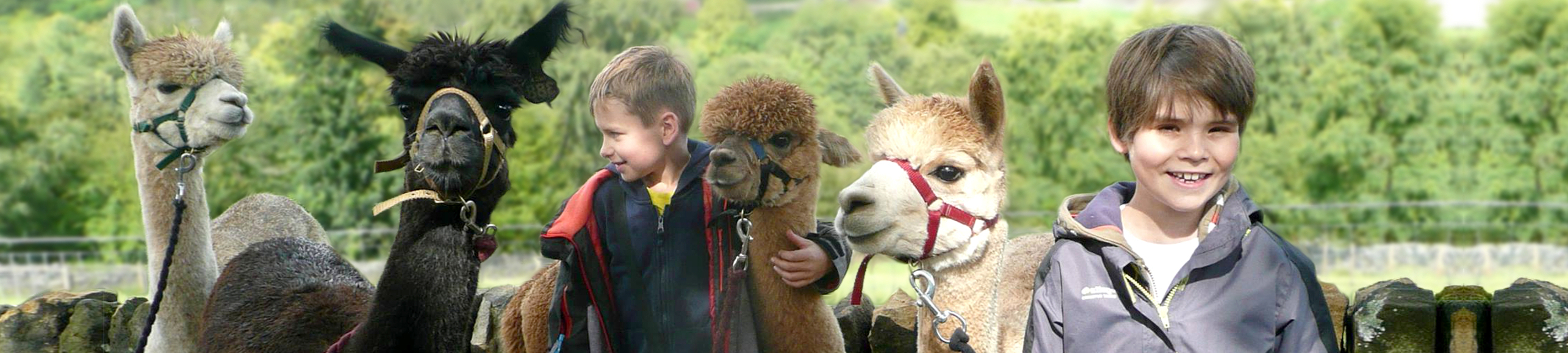
Field walks are often ideal for younger children because the terrain is generally flatter and more accessible, while countryside treks are usually better suited to children who are confident walking independently over uneven ground for an hour or more. That said, every child is different. An adventurous seven-year-old may enjoy a countryside trek far more than an older child who prefers not to walk very far.
It’s also important to remember that alpacas and llamas are large animals. Although they are generally gentle, they can be startled by loud noises, sudden movements or unexpected touches. Children should be able to follow simple safety instructions, such as walking calmly and only touching the animals as directed by the guide. If you’re bringing young children, it’s often helpful if at least one adult isn’t leading an alpaca so they’re free to supervise children throughout the experience. Many providers also offer adaptations for families, such as dual lead ropes, shorter walks or alternative alpaca experiences for younger visitors.
What should I wear?
Sensible shoes: Sturdy footwear like wellies, walking boots or trainers are essential, as you’ll often be walking across uneven ground, grassy fields or woodland paths. Even the best-behaved alpaca can accidentally stand on your foot, so open-toed shoes like flip-flops and sandals are best avoided. Farms can be muddy for much of the year, so boots are a good idea – or at least old shoes you don’t mind getting a bit of mud on.
Dress for the countryside: Long trousers are strongly recommended, although not essential. They offer protection from nettles, brambles and the occasional thistle, and they’re also helpful in areas where ticks may be present.
Dress for the weather: Do remember a hat and suncream on sunny days. And it’s a good ideas to pack a jumper or a coat as weather can change quickly even in the British summer, and you might be standing still at times as well as walking. Most providers continue to run walks in light rain, but do be sure to bring a waterproof coat rather than an umbrella, which can startle alpacas. But do try to avoid clothes that might flap which can also startle alpacas.
Use a hands-free bag: You will need both hands to lead your alpaca so be sure to bring a small rucksack, shoulder bag or bum bag to carry your phone and other essentials.
Do alpacas or llamas spit?
Rarely, and probably not at you. Spitting is a completely natural behaviour for both alpacas and llamas. They usually reserve it for each other as a way of settling disagreements over food, personal space or herd hierarchy. Most of the time it’s nothing more than a quick puff of air or a light spray. The spectacular green spit that people often hear about is much less common and is generally saved for occasions when an alpaca is particularly annoyed.
Well-socialised alpacas on guided walks are very unlikely to spit at visitors unless they feel frightened, threatened or you happen to be standing in the middle of an alpaca disagreement. Even then, being on the receiving end of a full-bodied spit would be remarkably unlucky.
Do alpacas or llamas bite?
Alpacas and llamas are not naturally aggressive and rarely bite people.
Young alpacas or llamas that have been treated too much like pets can sometimes develop poor manners because they stop distinguishing between people and other alpacas. Though biting people is not common for alpacas, like any animal, they can nip if they feel very frightened or threatened.
Occasionally, an enthusiastic alpaca may accidentally catch your hand with its front teeth while taking food, which is one reason some animals may be fed from bowls rather than hands.
Well-managed alpaca experiences are very safe, and your guide will explain the best way to interact with the animals.
Do alpacas or llamas kick?
Like most four-legged animals, alpacas can kick if they feel threatened or need to defend themselves, so it’s sensible to avoid standing directly behind them.
However, they’re much more likely to move away from something they don’t like than lash out. Giving them space and respecting their body language goes a long way towards helping them feel comfortable.
A relaxed alpaca walking calmly with a guide is very unlikely to kick a person. Experienced handlers understand alpaca behaviour and will show you how to position yourself safely when feeding, leading or taking photographs.
Can you ride an alpaca or llama?
It’s a question that comes up now and again – and one that probably crosses everyone’s mind at least once!
The answer is no, and that’s a good thing.
Although alpacas may look sturdy beneath all that fleece, their backs aren’t designed to carry people. Llamas are larger and were traditionally used as pack animals, but they are not suitable for carrying adult riders and should never be ridden as part of an ethical experience. The best alpaca and llama experiences involve walking alongside them, not riding them.
Do alpacas and llamas walk in the rain or snow?
Usually, yes – but it depends on the weather.
Alpacas evolved high in the Andes, so snow itself doesn’t bother them very much. In fact, a snowy alpaca walk can be a magical experience. Treks are more likely to be cancelled because icy paths become unsafe for people than because of the snow itself.
Rain is a little different. Alpacas haven’t evolved for prolonged wet weather, and heavy rain can eventually soak through their fleece, leaving them cold and more vulnerable to illness. However, light rain for an hour or so is unlikely to cause a problem, particularly in mild weather.
Most providers continue to run walks in light rain, this is Britain after all! – but cancel them during heavy rain, thunderstorms or severe snow.
Interestingly, alpacas are remarkably good at predicting bad weather. Occasionally they’ll decide long before the humans that a trek isn’t happening today as a storm is on the way, and once an alpaca has made up its mind, it’s not easily persuaded!
Understanding the animals
Are alpacas friendly?
Yes, but they’re not naturally cuddly. Well-socialised alpacas are usually calm, curious and happy to spend time with people. They often enjoy gentle interaction while being fed or walked, but they’re also independent animals that value their personal space.
Unlike dogs, alpacas don’t usually seek much attention. They tend to choose when they want to interact, which somehow makes those moments feel even more rewarding.
Every alpaca has its own personality. Some are bold and inquisitive, some are quietly affectionate, while others are politely aloof. A good guide will help you get to know your alpaca as an individual and show you how they like to be handled and touched.
Can I pet an alpaca?
Usually, yes – but always follow your guide’s advice.
Some alpacas enjoy a gentle scratch on the neck or shoulder. Others politely tolerate being stroked, while some would simply prefer you admired them from a respectful distance. Generally they do not like being touched on their back, legs or tummy and its best to avoid touching those areas.
Learning to recognise and respect each alpaca’s preferences is part of what makes spending time with them so rewarding.
Do alpacas enjoy trekking?
Alpacas at a well-mangaged provider show all the signs of enjoying their walks. And some refuse to be left behind!
Alpacas are naturally curious and they often appear to look forward to exploring different routes, investigating hedgerows and meeting new people, especially when new people mean its feeding time!
Like us, every alpaca is an individual. Some are more adventurous than others, which is why good guides get to know each animal’s personality and ensure walks remain enjoyable for them rather than repetitive.
The best alpaca walks don’t happen to alpacas, they happen with them.
Is alpaca walking ethical?
Yes, when it’s done well.
Like any activity involving animals, the welfare of the alpacas should always come first. Ethical providers ensure their alpacas are well socialised, thoughtfully managed and given opportunities to behave naturally. Walks should leave the animals appearing calm, curious and engaged, not anxious, exhausted or reluctant to take part.
When choosing a provider, look for knowledgeable guides, thoughtful handling, and animals that appear genuinely comfortable around people.
A good alpaca walking experience shouldn’t just be enjoyable for visitors. It should be enjoyable for the alpacas too.
Ready to experience alpaca walking for yourself?
If this guide has inspired you to meet these remarkable animals in person, we’d love to welcome you to Holly Hagg Community Farm in Sheffield.
Our gentle alpaca treks take you through the beautiful woodlands and countryside of the Rivelin Valley, giving you time to get to know each alpaca at a relaxed pace while exploring one of Sheffield’s most scenic green spaces.
Or learn more about our gift vouchers